


Maharana Ari Singh II - 284th birth anniversary on September, 1st 2024
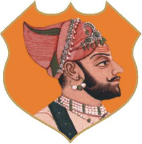 Maharana Ari Singh II ruled Mewar from 1761 to 1773 CE, ascending the throne after the death of his nephew, Maharana Raj Singh II. Born in Vikram Samvat 1797, he faced significant challenges during his reign, including a succession dispute following Raj Singh's demise and military failures against the Marathas. His hot-tempered nature alienated many nobles, leading to internal strife and factionalism, particularly with the rise of Ratan Singh, Raj Singh's son. Despite initial military successes and efforts to strengthen Mewar's defenses, Ari Singh's rule ended tragically when he was assassinated during a hunting trip on March 7, 1773. His legacy includes contributions to Mewar's architecture, with notable constructions around Lake Pichola.
Maharana Jagat Singh I - 417th birth anniversary on September, 6th 2024
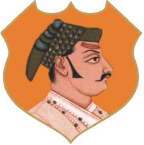 Maharana Jagat Singh I ruled Mewar from 1628 to 1652 CE, succeeding his father, Maharana Karan Singh II. Born on Bhadwa Shukla 3 in Vikram Samvat 1664, he was an ambitious ruler who sought to expand Mewar's influence while managing relations with the Mughal Empire. His reign included military campaigns against neighboring kingdoms like Dungarpur and Devaliya, although he faced discontent from the Mughal emperor Shah Jahan due to his aggressive policies. Despite this, he maintained a balance between asserting Mewar's sovereignty and acknowledging Mughal suzerainty. Jagat Singh was also known for his patronage of architecture and religious activities, constructing significant temples and public works, including the Rana Mahal and Jagmandir in Lake Pichola. His reign ended with his death in 1652, leaving a legacy of both military ambition and cultural contributions.
Maharana Udai Singh II - 503rd birth anniversary on September, 14th 2024
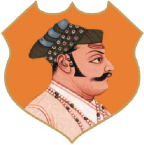 Maharana Udai Singh II (r. 1537-1572 CE), the youngest son of Maharana Sangram Singh I, witnessed the tumultuous events of Mewar's history, including the Jauhar of his mother ,Karnavati,
and the political upheaval under Maharana Vikramaditya. Protected by the valorous Pannadhai, he survived the assassination attempt by Banveer and assumed the throne of Mewar. With the support of loyal chieftains, he regained Chittorgarh and established a new capital, Udaipur, a strategic move to secure Mewar's future. Maharana Udai Singh's reign was marked by diplomatic maneuvering, military campaigns, and significant architectural and religious contributions. He established relations with neighboring states, fortified Mewar's borders, and ensured the survival of the kingdom amidst the growing influence of the Mughal Empire. His legacy endures, shaping the course of Mewar and leaving an indelible mark on its history and culture.
Maharana Jagat Singh II - 315th birth anniversary on September, 27th 2024
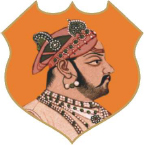 Maharana Jagat Singh II (r. 1734-1751 CE) ascended the throne of Mewar amidst a turbulent period marked by Maratha incursions and Rajput political intrigues. He played a pivotal role in uniting Rajput kingdoms against the Marathas, hosting a significant conference at Hurda to strategize their defense. While initially seeking diplomatic solutions, he also engaged in military conflicts, including the invasion of Shahpura and involvement in the Jaipur succession crisis. His reign witnessed significant architectural endeavors, most notably the construction of Jagniwas Palace on Lake Pichola. Despite internal challenges, including strained relations with his son, Maharana Jagat Singh II left a lasting impact on Mewar's history, balancing diplomacy, military might, and cultural patronage.
Maharana Raj Singh I - 395th birth anniversary on October, 19th 2024
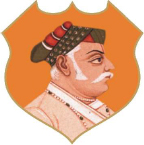 Maharana Raj Singh I (r. 1652-1680 CE) ascended the throne of Mewar during a period of Mughal expansion and Rajput political maneuvering. He skillfully navigated the complex political landscape, expanding Mewar's territory and strengthening its position. His reign was marked by significant architectural and cultural achievements, including the construction of Rajsamandra Lake, the patronage of art and literature, and the establishment of Nathdwara as a pilgrimage site.
| First | Prev | 22 | Next | Last |